
Plant Introduction
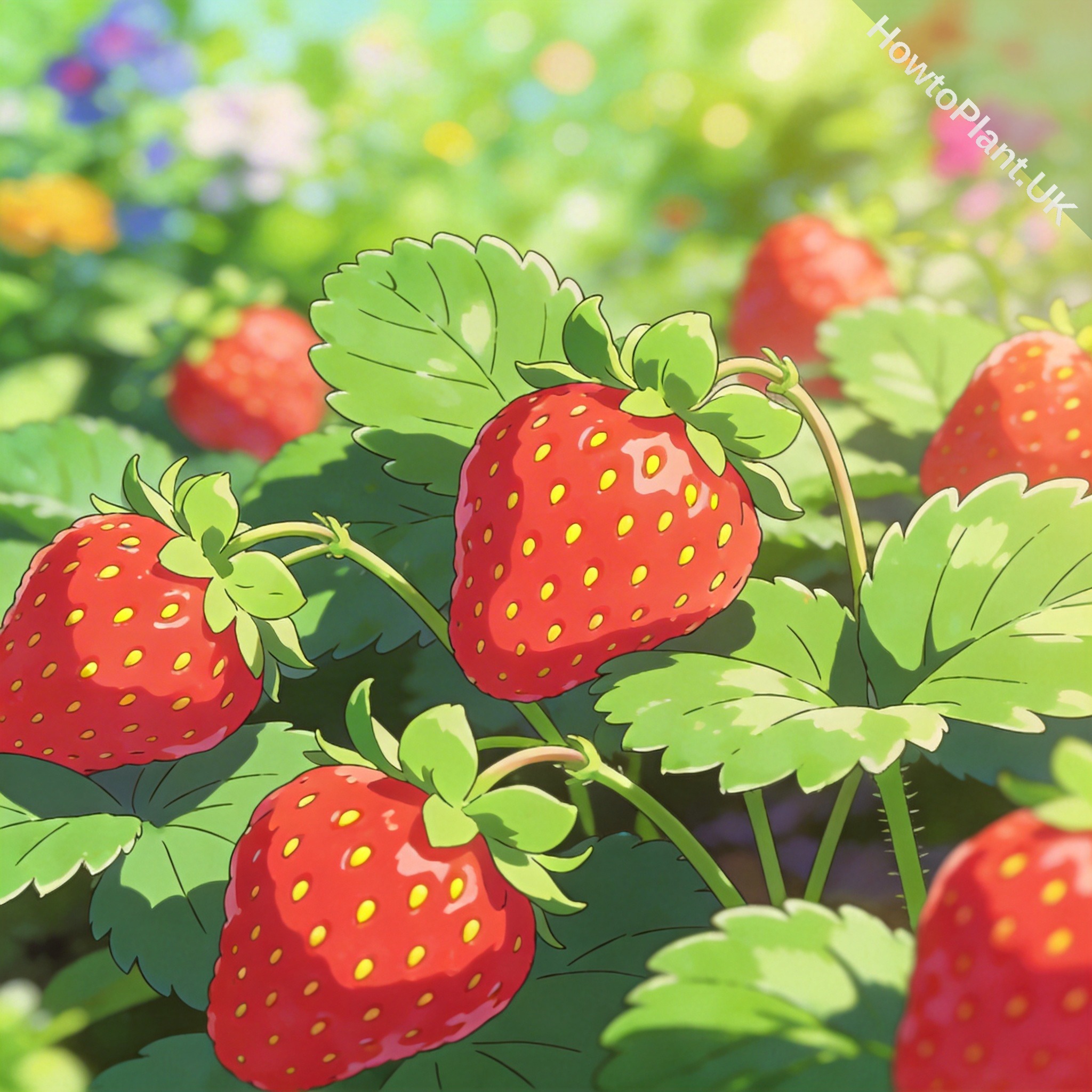
Strawberries also known as Fragaria × ananassa are beloved for their sweet juicy fruit and attractive foliage. These low growing perennials are native to temperate regions of the world and have been cultivated for centuries for their delicious berries. With their bright red fruit white flowers and trifoliate leaves strawberries are a charming addition to any garden whether grown in the ground in containers or in hanging baskets.
Throughout the year strawberries follow a distinct seasonal cycle. In spring as temperatures warm new leaves emerge followed by delicate white flowers that quickly develop into fruit. Depending on the variety strawberries can produce fruit in late spring early summer or even throughout the growing season. Summer is the main harvest season for most varieties with berries ripening over several weeks. In fall as days shorten and temperatures cool plants prepare for winter by sending out runners to produce new daughter plants. In cold climates strawberries benefit from winter mulching to protect their crowns from freezing temperatures.
Growing Conditions
Light Requirements
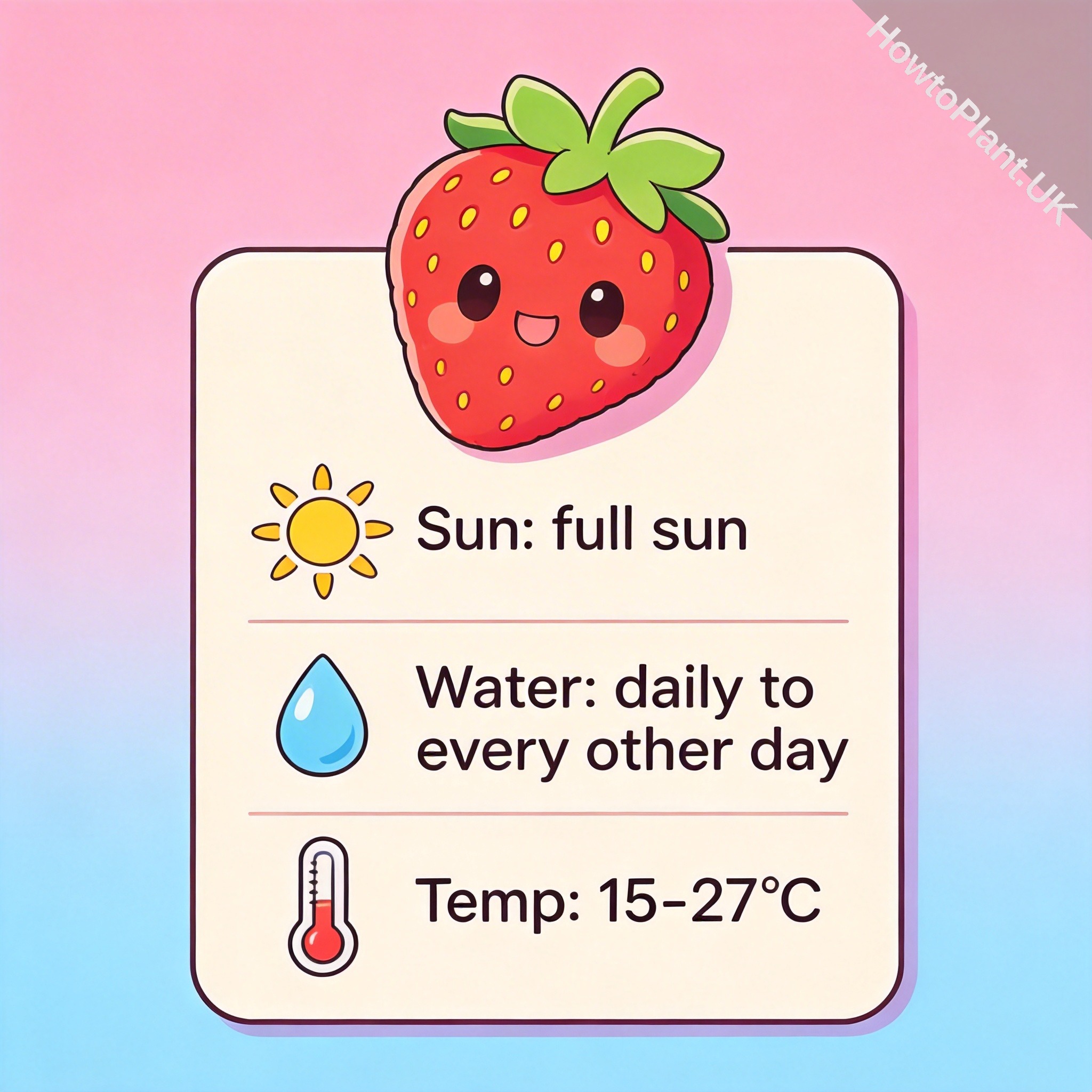
Strawberry thrives in full sun. Strawberries thrive in full sun, requiring at least 6-8 hours of direct sunlight per day for optimal fruit production. Insufficient light will lead to fewer, smaller berries and weaker plant growth. While they can tolerate some partial shade, fruit quality and yield will be significantly reduced.
Temperature Preferences
This plant prefers temperatures between 60-80°F (15-27°C) during its active growth period. Prolonged exposure to temperatures below 20°F (-6°C) should be avoided. Strawberries prefer moderate temperatures for growth and fruit development. While they are cold-hardy and can tolerate temperatures down to 20°F (-6°C) with proper mulching, prolonged exposure to extreme heat (above 85°F / 29°C) can stress the plants and reduce fruit set. Frost protection is crucial during flowering to prevent damage to developing berries.
Watering
When it comes to watering Strawberry it is best to follow a consistent schedule. For most conditions this means watering about daily to every other day during the growing season and every 1-2 weeks during the dormant period. Strawberries have shallow root systems and require consistent moisture, especially during flowering and fruiting. Water deeply and regularly, ensuring the soil remains evenly moist but not waterlogged. Reduce watering during dormancy or cooler periods to prevent root rot.
Soil Requirements
Strawberry requires well-draining sandy loam for healthy growth. The pH should be around 5.5-6.8 for optimal nutrient uptake. Strawberries prefer a well-draining, slightly acidic to neutral soil rich in organic matter. Good drainage is crucial to prevent root diseases. Amend heavy clay soils with compost and sand to improve aeration and drainage, and sandy soils with compost to improve water retention and nutrient availability.
Planting Tips
• Plant in early spring or late fall depending on your climate and variety
• Space plants 12 18 inches apart in rows spaced 2 3 feet apart to allow for good air circulation
• Plant with the crown at soil level not too deep or too shallow as this can cause rotting or drying out
• Choose certified disease free plants from reputable sources for the healthiest most productive strawberry patch
• Remove runners regularly to direct energy into fruit production unless you want to propagate new plants
• Mulch around plants with straw pine needles or shredded leaves to suppress weeds retain moisture and keep berries clean
• Protect ripening fruit from birds with netting or floating row covers
• Watch for slugs and snails which love strawberries use beer traps copper tape or other organic controls
What can Strawberry be used for
• Delicious eaten fresh picked straight from the garden at peak ripeness for maximum sweetness and flavor
• Perfect for making jams jellies and preserves that capture the taste of summer
• Excellent in desserts like shortcake ice cream sundaes pies tarts and smoothies
• Can be frozen for later use simply wash hull and freeze on a baking sheet before transferring to bags or containers
• Beautiful addition to fruit salads yogurt bowls and breakfast dishes
• Attractive ornamental plants with pretty white flowers and bright red fruit that add color to gardens and containers
• Provide food for pollinators their flowers are attractive to bees and other beneficial insects