
Plant Introduction
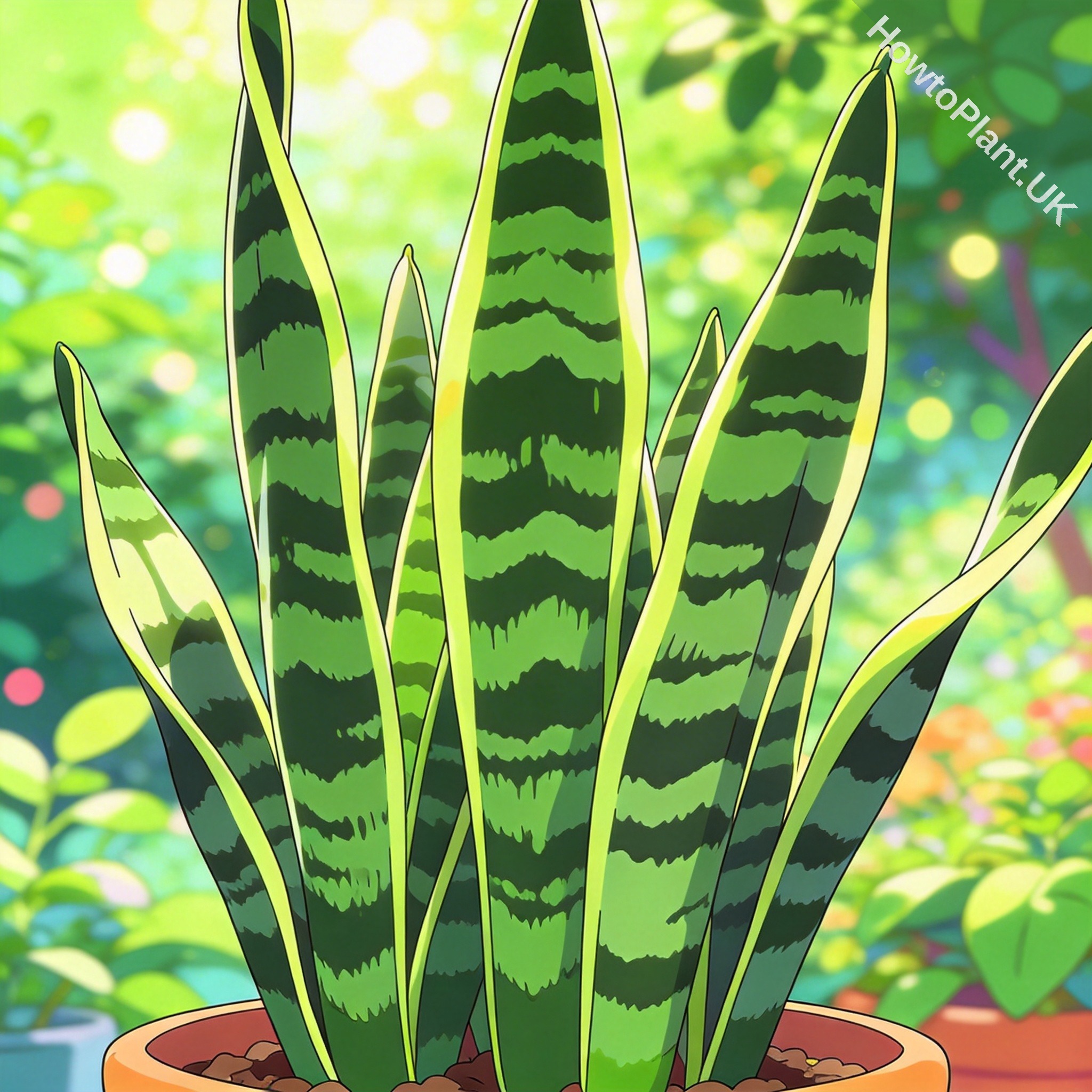
The Snake Plant also known as Dracaena trifasciata or mother in law tongue is one of the most resilient houseplants you can grow. Native to West Africa this succulent has adapted to survive in some of the harshest conditions making it an ideal choice for those who are just starting their plant journey or have a tendency to forget about their green friends.
Throughout the year the Snake Plant maintains its striking upright growth habit with sword shaped leaves that come in various patterns and variegations. During the spring and summer months you may notice slightly more active growth though it is never a fast grower by any means. In fall and winter the plant essentially goes into a rest period requiring even less attention than usual.
Growing Conditions
Light Requirements
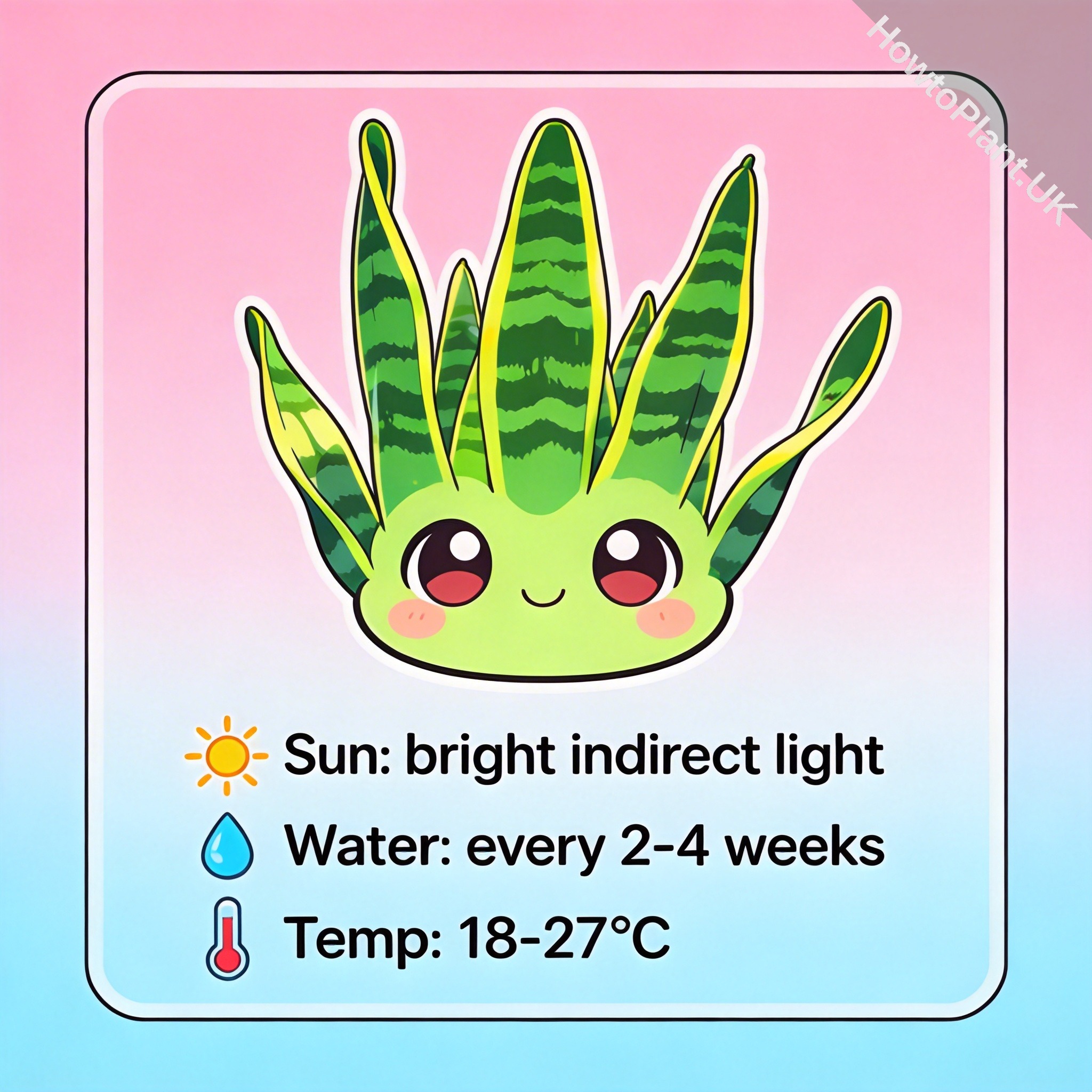
Snake Plant thrives in bright indirect light. Snake plants thrive in bright, indirect light but are remarkably adaptable and can tolerate low light conditions. However, too much direct, intense sun can scorch their leaves, while extremely low light may slow growth and dull leaf coloration.
Temperature Preferences
This plant prefers temperatures between 65-80°F (18-27°C) during its active growth period. Prolonged exposure to temperatures below 50°F (10°C) should be avoided. Snake plants prefer warm temperatures and are sensitive to cold. Avoid exposing them to temperatures below 50°F (10°C) as this can cause damage and stunt growth. Keep them away from cold drafts from windows or air conditioning vents.
Watering
When it comes to watering Snake Plant it is best to follow a consistent schedule. For most conditions this means watering about every 2-4 weeks during the growing season and every 4-6 weeks during the dormant period. Water thoroughly when the soil is completely dry, typically every 2-4 weeks during the growing season. Overwatering is the most common cause of snake plant demise, leading to root rot. Reduce watering significantly in the dormant winter months.
Soil Requirements
Snake Plant requires well-draining potting mix for healthy growth. The pH should be around 6.0-7.0 for optimal nutrient uptake. A well-draining potting mix is crucial to prevent waterlogging and root rot. A succulent or cactus mix is ideal, or you can amend regular potting soil with perlite or coarse sand to improve drainage. Good aeration is also beneficial for healthy root development.
Planting Tips
• Choose a pot that is only slightly larger than the root ball as these plants prefer to be somewhat root bound
• They can go several years without needing a repot which is great for busy plant owners
• If you want to propagate your Snake Plant you can do so easily by dividing the rhizomes or taking leaf cuttings
• Wipe leaves occasionally to remove dust and help with photosynthesis
• Use a pot with drainage holes to prevent root rot
• Can be grown in water or soil though soil is generally recommended for long term health
What can Snake Plant be used for
• Excellent air purifier removes formaldehyde xylene and benzene from indoor air
• NASA recommended for improving indoor air quality
• Continues to release oxygen at night making it an excellent choice for bedrooms
• Often used in offices and homes for its aesthetic appeal
• Very versatile can be trained to climb trailing or as a table plant
• Easy to propagate making it a great plant for sharing with friends
• Low maintenance and nearly indestructible perfect for beginners or those with busy lifestyles