
Plant Introduction
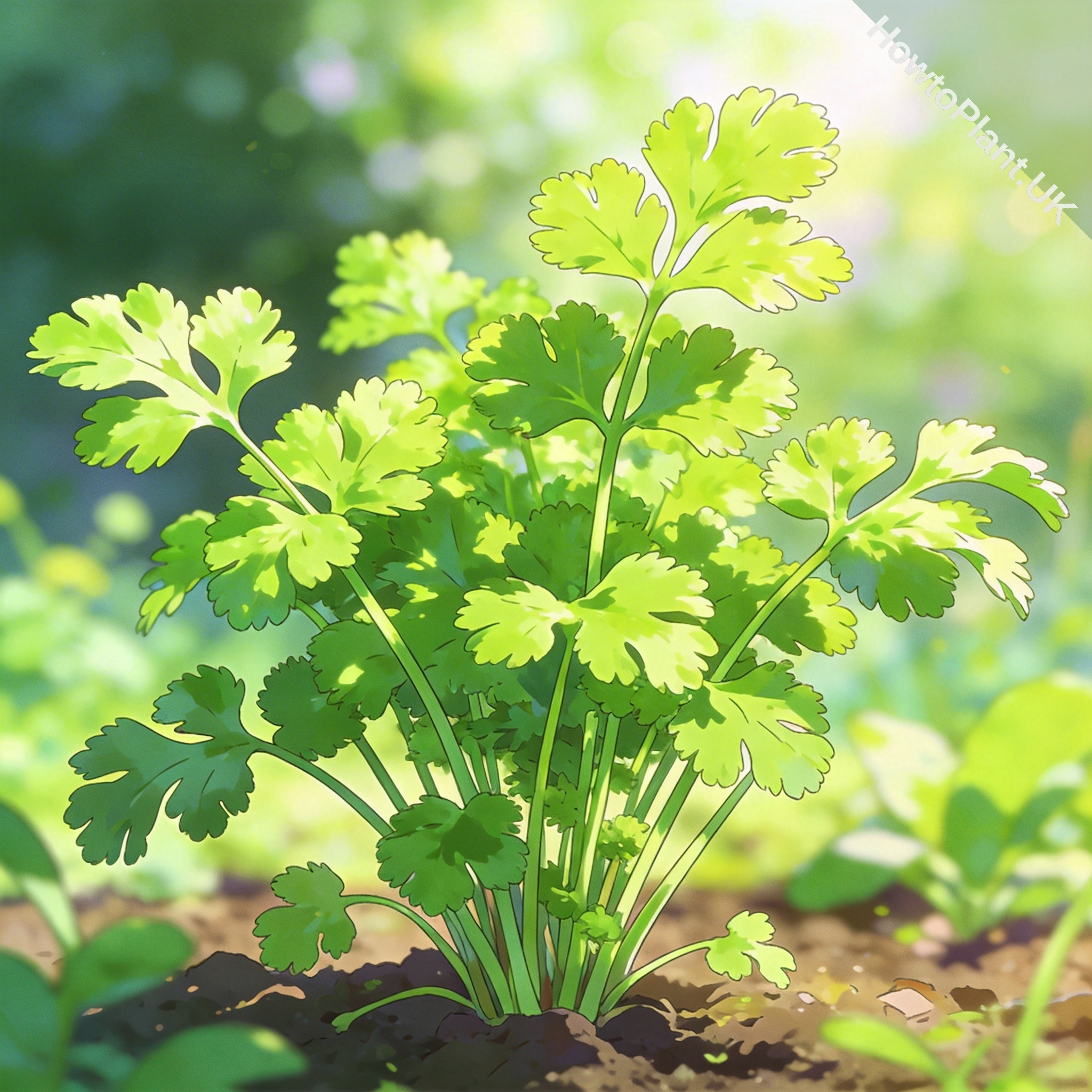
Parsley also known as Petroselinum crispum is a bright green biennial herb native to the Mediterranean region but now cultivated worldwide. It is one of the most popular and versatile culinary herbs used in cuisines across Europe the Americas and the Middle East. With its delicate divided leaves and mild fresh flavor Parsley is both beautiful in the garden and indispensable in the kitchen.
As a biennial plant Parsley follows a two year life cycle. In the first year it produces a lush rosette of edible leaves which is what gardeners typically harvest. During the spring and summer months of the first year growth is vigorous and abundant. In fall growth slows as the plant prepares for winter. If left in the garden over winter it will survive in mild climates and return in the second year. In its second year Parsley produces tall flowering stalks with small yellow green flowers that eventually form seeds. After setting seed the plant completes its life cycle and dies.
Growing Conditions
Light Requirements
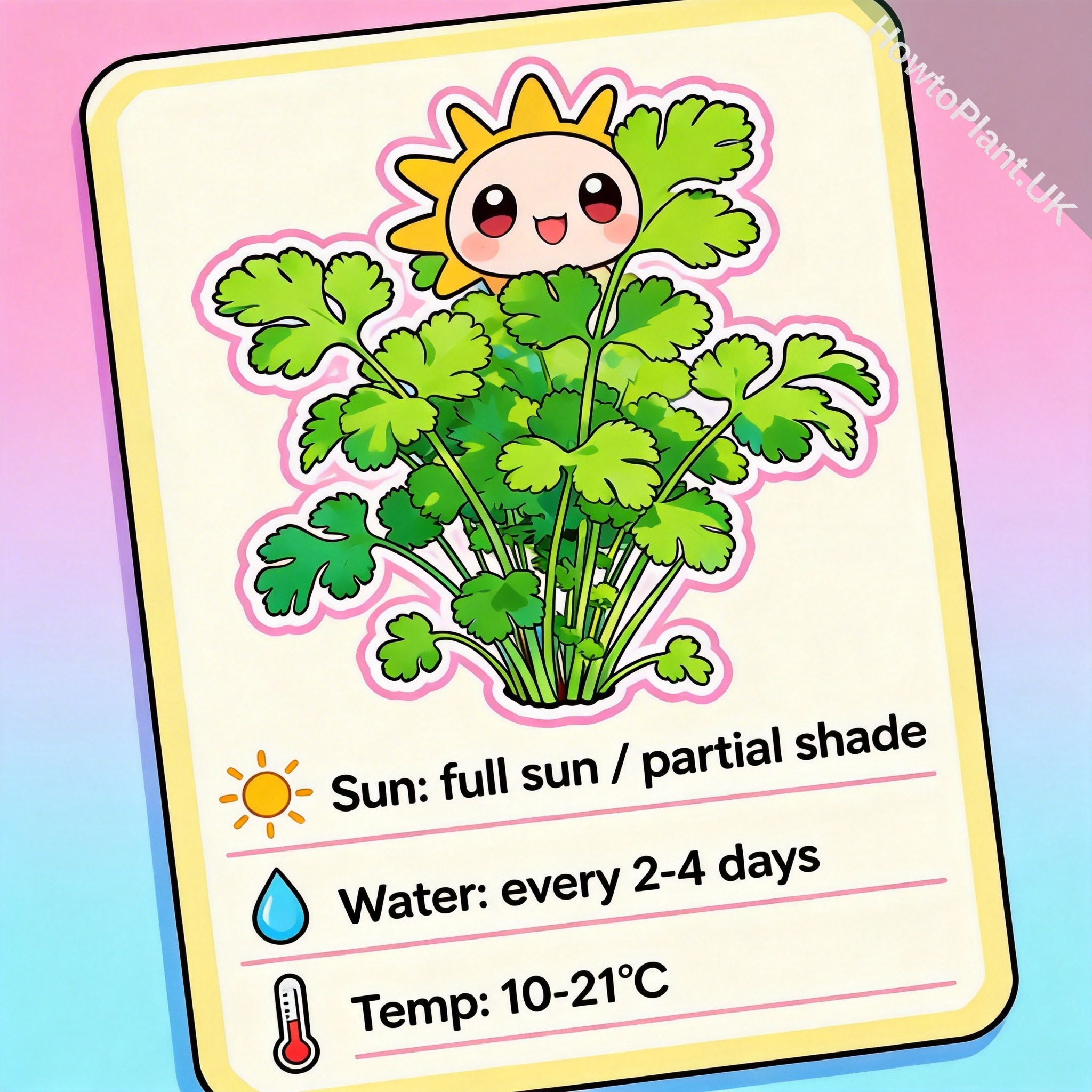
Parsley thrives in full sun / partial shade. Parsley thrives in full sun, meaning at least 6 hours of direct sunlight per day. In hotter climates, it benefits from partial shade during the intense afternoon sun to prevent scorching and bolting. Adequate light promotes strong growth and flavorful leaves.
Temperature Preferences
This plant prefers temperatures between 50-70°F (10-21°C) during its active growth period. Prolonged exposure to temperatures below 20°F (-6°C) should be avoided. Parsley prefers cool to moderate temperatures and can tolerate light frosts. While it can survive temperatures as low as 20°F, prolonged exposure to freezing temperatures can damage the foliage. High temperatures, especially above 80°F, can cause the plant to bolt (go to seed) prematurely, reducing leaf production and flavor.
Watering
When it comes to watering Parsley it is best to follow a consistent schedule. For most conditions this means watering about every 2-4 days during the growing season and every 1-2 weeks during the dormant period. Parsley requires consistently moist soil, but not waterlogged. Water thoroughly when the top inch of soil feels dry to the touch. During hot, dry periods, more frequent watering may be necessary, while in cooler or dormant periods, reduce watering frequency.
Soil Requirements
Parsley requires rich, well-draining loamy soil for healthy growth. The pH should be around 6.0-7.0 for optimal nutrient uptake. Parsley prefers a fertile, well-draining soil that is rich in organic matter. Amend heavy clay soils with compost to improve drainage and aeration. A slightly acidic to neutral pH is ideal for optimal nutrient uptake and healthy growth.
Planting Tips
• Can be grown from seeds or transplants seeds can take 2 4 weeks to germinate so be patient
• Soak seeds in warm water for 12 24 hours before planting to speed up germination
• Plant seeds 1/4 inch deep and 6 8 inches apart in rows spaced 12 18 inches apart
• Thin seedlings to 8 12 inches apart when they have 2 3 true leaves
• For a continuous harvest plant new seeds every few weeks throughout the growing season
• Harvest outer leaves regularly to encourage new growth from the center of the plant
• Can be grown in containers on windowsills patios or balconies making it perfect for small spaces
What can Parsley be used for
• Essential culinary herb used fresh as a garnish or ingredient in countless dishes sauces soups salads and more
• Rich in vitamins A C and K as well as iron and other minerals making it a nutritious addition to meals
• Can be dried or frozen for long term use though fresh is generally preferred for best flavor
• Biennial flowers in second year provide nectar for bees and other beneficial pollinators
• Attractive foliage adds texture and color to herb gardens flower beds and containers
• Used in traditional medicine for its diuretic properties and as a digestive aid
• Curly leaf varieties make beautiful edible garnishes while flat leaf Italian parsley has a stronger more robust flavor preferred for cooking