
Plant Introduction
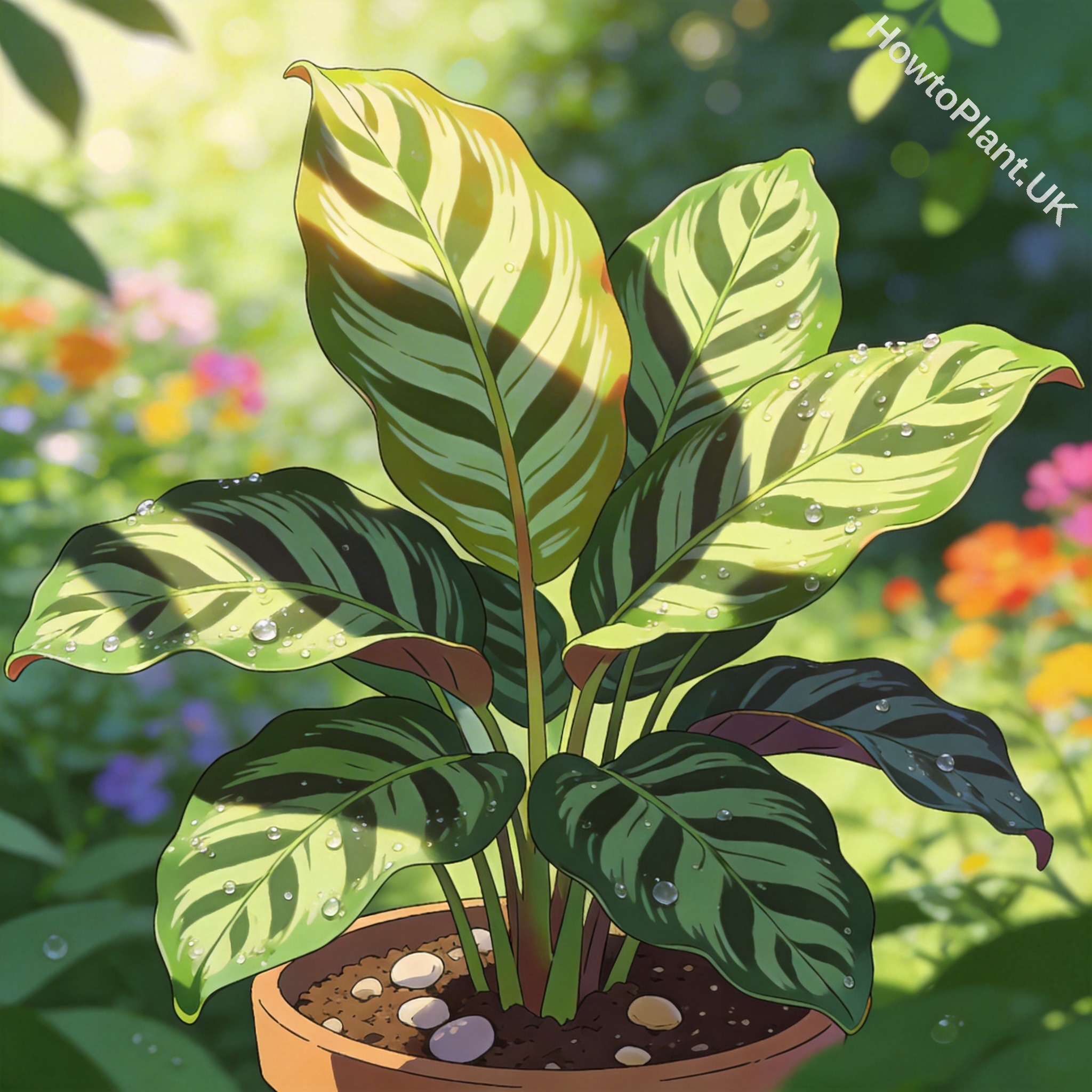
The Calathea also known as Calathea is a popular and rewarding plant to grow. With its unique characteristics and relatively easy care requirements it makes an excellent addition to any home garden or indoor space. Whether you are an experienced gardener or just starting out this plant offers beauty and enjoyment throughout the year.
Throughout the year the Calathea displays distinct seasonal patterns. In spring and summer during the active growing season you can expect vigorous growth and possibly flowers or fruit depending on the type of plant. In fall growth naturally slows as the plant prepares for the cooler months ahead. In winter many varieties enter a period of dormancy requiring less water and care until the next growing season begins.
Growing Conditions
Light Requirements
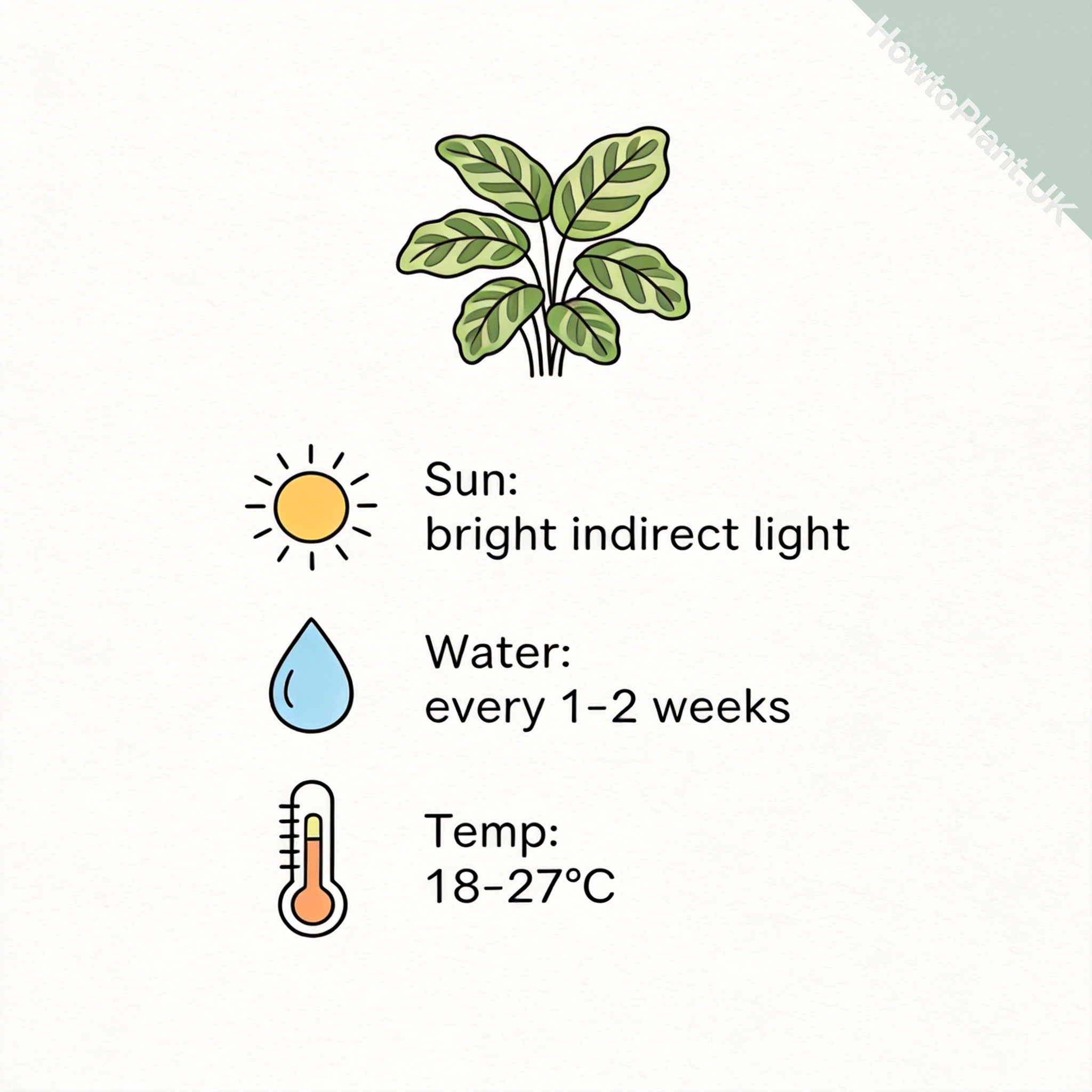
Calathea thrives in bright indirect light. Calatheas thrive in bright, indirect light. Direct sunlight can scorch their delicate leaves, causing them to fade or develop brown spots. An east-facing window or a few feet away from a south or west-facing window with sheer curtains is ideal.
Temperature Preferences
This plant prefers temperatures between 65-80°F (18-27°C) during its active growth period. Prolonged exposure to temperatures below 60°F (15°C) should be avoided. Calatheas prefer warm, consistent temperatures and are sensitive to cold drafts. Avoid placing them near open windows, air conditioning vents, or heating units that can cause sudden temperature fluctuations. Temperatures below 60°F (15°C) can cause leaf damage and stunted growth.
Watering
When it comes to watering Calathea it is best to follow a consistent schedule. For most conditions this means watering about every 1-2 weeks during the growing season and every 2-3 weeks during the dormant period. Keep the soil consistently moist but never waterlogged. Water thoroughly when the top inch of soil feels dry to the touch, typically every 1-2 weeks depending on environmental conditions. Reduce watering slightly during the dormant winter months, allowing the soil to dry out a bit more between waterings.
Soil Requirements
Calathea requires well-draining potting mix for healthy growth. The pH should be around 6.0-7.0 for optimal nutrient uptake. A well-draining, peat-based potting mix is ideal for Calatheas. You can amend a standard potting mix with perlite or orchid bark to improve drainage and aeration. Good drainage is crucial to prevent root rot, which Calatheas are susceptible to.
Planting Tips
• Choose a pot that is only slightly larger than the root ball as many plants prefer to be somewhat root bound
• Repot only when necessary usually every 2 3 years or when roots start growing through the drainage holes
• Wipe leaves occasionally to remove dust and help the plant photosynthesize more effectively
• Use a pot with good drainage holes to prevent waterlogging and root rot
• Can be propagated through stem cuttings division or seeds depending on the specific variety
• Keep out of reach of pets if the plant is known to be toxic
• Provide appropriate support like stakes or trellises for climbing or vining varieties
What can Calathea be used for
• Beautiful decorative addition to any home office or garden space
• Can be displayed as a table plant hanging plant or in containers depending on growth habit
• Easy to propagate making it a great plant for sharing with friends and family
• Low maintenance option perfect for busy people or those new to plant care
• Creates a calming natural atmosphere in any space
• Some varieties have air purifying properties helping to improve indoor air quality
• Can be used fresh or dried for crafts arrangements or other creative projects